
Check Fraud Is at a Record High. Here’s How to Protect Yourself.
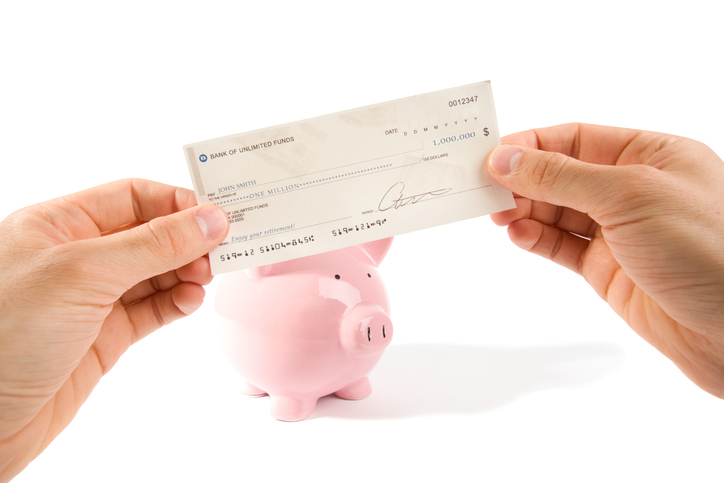
Check fraud is not just a concern for businesses. It is happening to everyday consumers at record levels, and Northeast Ohio residents are not immune.
According to the U.S. Treasury’s Financial Crimes Enforcement Network, check fraud complaints topped two million in 2024, a record high, representing a 4% increase from 2022. Despite the growth of digital payments, checks still account for more than 20% of all noncash transactions in the United States, making them a prime target for criminals.
PNC Bank recently published guidance to help consumers recognize fake checks and take steps to avoid becoming a victim.
How to Tell If a Check Is Fake
Modern technology makes it easier than ever for scammers to produce convincing counterfeit checks. PNC recommends examining several physical features before depositing any check you were not expecting.
Start with the edges. Legitimate checks are torn from a check book and have at least one rough, perforated edge. If all four edges are smooth, that is a warning sign.
Look at the bank logo and address printed on the check. Compare the logo to the one on the bank’s official website. A faded or slightly off logo may indicate it was copied from another source. If the address does not match a real branch location, the check is likely fake.
Every real check also has a Magnetic Ink Character Recognition (MICR) line at the bottom. This line contains the routing number, account number, and check number printed with special magnetic ink. That ink should appear flat and dull. If the characters are raised or shiny under light, the check is counterfeit.
Check numbers should also appear in two places: the upper right corner and at the end of the MICR line. If those numbers do not match, do not deposit the check. PNC also notes that about 90% of fraudulent checks come from new accounts, so low check numbers (101 to 400 for personal checks, 1,000 to 1,500 for business checks) are a red flag.
Paper quality matters, too. Real checks are printed on heavy, matte paper with permanent ink. A quick test: wet your fingertip and lightly drag it across the printed surface. If ink smears, the check is likely fake.
Common Scams to Watch For
PNC identifies several scam patterns that are especially common right now.
The overpayment scam targets people selling goods or services online. A buyer sends a check for more than the asking price and asks the seller to wire back the difference. By the time the check bounces, the seller has already sent real money.
Sweepstakes scams involve receiving a check for a prize you never entered to win, with a request to send money back to cover processing or shipping fees.
Job scams send a “paycheck” before any work is done, then ask the new hire to return a portion via wire transfer or gift cards.
In all three cases, PNC’s guidance is straightforward: if it seems too good to be true, it probably is.
Steps to Protect Yourself
PNC’s prevention tips focus on reducing exposure and responding quickly when something goes wrong.
Pay digitally whenever possible to limit the number of checks in circulation. If you must mail a check, drop it inside a USPS facility or hand it directly to a postal worker rather than leaving it in a curbside mailbox. Follow up with the recipient to confirm it arrived.
Set up account alerts and review your bank statements regularly. Most banks allow you to view images of processed checks so you can confirm the check that cleared matches what you actually wrote.
Speed matters if fraud does occur. PNC notes that roughly 50% of stolen check images are posted for sale online within eight days of theft. The moment you spot something wrong, contact your bank to place a stop payment and freeze the account. File a police report and a separate report with the Federal Trade Commission at identitytheft.gov. Keep records of every conversation and report.
What Happens if You Deposit a Fake Check
Even consumers who act in good faith can be caught off guard. If a fake check clears initially and you spend the money, your bank will still withdraw the funds once the fraud is detected, which can take weeks. Overdraft fees may follow. In some cases, your account may be frozen or closed, and the incident can appear in banking history reports used by other institutions when you try to open a new account.
If you receive a check you believe may be fraudulent, do not cash it. Contact the issuing bank directly using a phone number from the bank’s official website, not any number printed on the check itself. If fraud is confirmed, report it to the U.S. Postal Inspection Service if it came by mail, or to the FBI’s Internet Crime Complaint Center if it was part of an online scheme.
Sources
How to Tell If a Check Is Fake, PNC Insights
Take Extra Measures to Help Prevent Check Fraud, PNC Insights
Frequently Asked Questions
