
No Lifeguard, No Pool: Northeast Ohio Faces a Deepening Summer Crisis
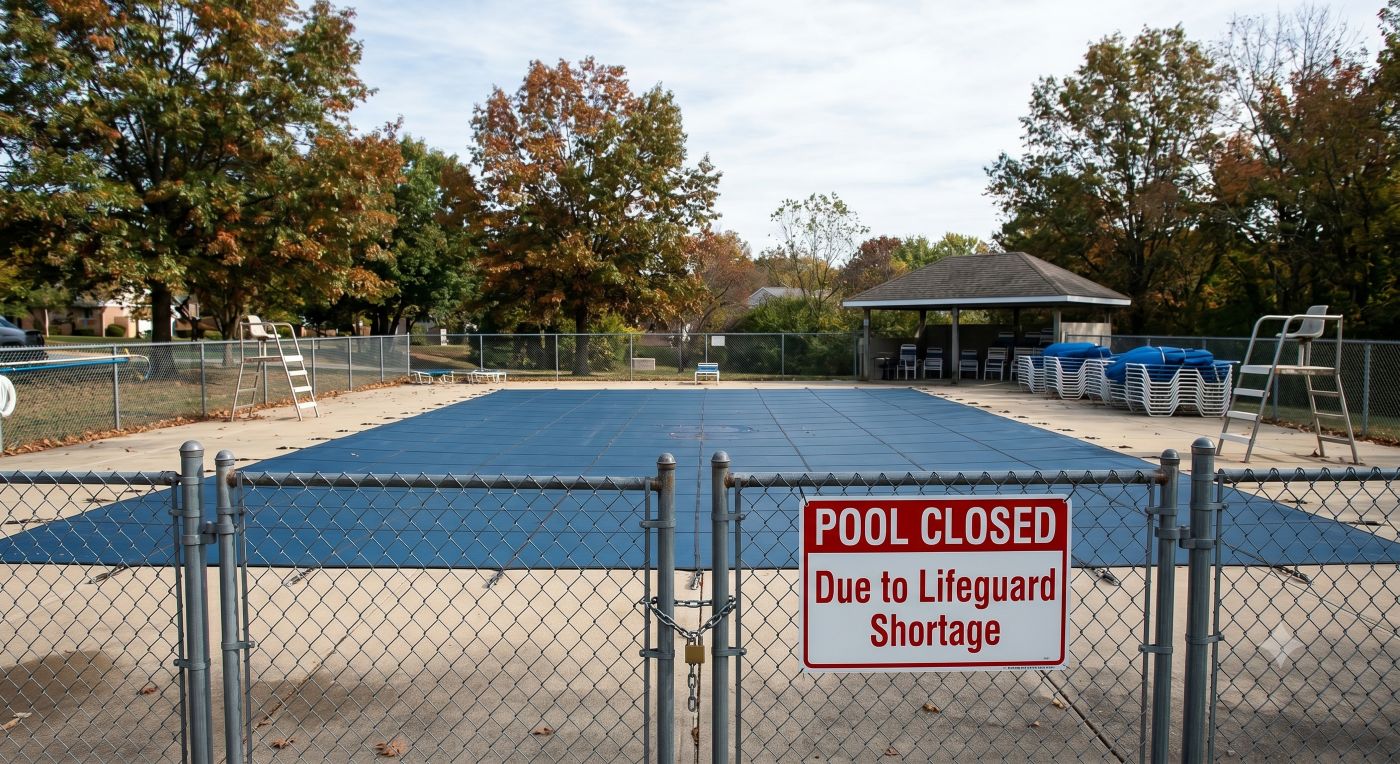
A Shortage That Will Not Go Away
Summer is almost here, and pools across Northeast Ohio are once again facing a critical question: who is going to watch the water?
The Great Lakes Water Safety Consortium is sounding the alarm. Executive Director Drew Ferguson put it plainly: “We do not have enough lifeguards.” He added that lifeguards are critical not just to safety but to access. “Pools can’t be open, beaches can’t be open, if we don’t have lifeguards present.”
This is not a new problem, but it is getting worse. Communities across the region report they cannot fill open positions, forcing decisions about reduced hours, smaller swim areas, and in some cases, pools that simply will not open at all this season.
Why Is This Happening?
The shortage is not driven by a single issue. It is the result of overlapping pressures affecting recruitment, training, and retention. Traditionally, teenagers and college-age adults filled lifeguard roles. Today, fewer candidates pursue seasonal positions that demand physical readiness, strict attendance, and responsibility for public safety.
Pay is a consistent complaint. Many lifeguarding positions offer wages that struggle to compete with retail, food service, and other seasonal jobs that require far less training and carry far less responsibility.
Certification is also a real barrier. Initial certification typically requires 25 to 30 hours of training including pool sessions and testing. In-person skills verification limits how many candidates can complete the process at once, slowing the pipeline significantly.
Candidates must pass swim prerequisites, demonstrate rescues under stress, and complete in-person evaluations. What most struggle with is not the classroom content but performance under fatigue. Endurance swims, submersion rescues, and repeated drills expose gaps that take time to close.
The seasonal nature of the work adds yet another layer. Most positions are temporary, lasting only through the summer months. That makes the role less appealing to anyone seeking stable, year-round income.
The Referee Parallel: Same Problem, Different Uniform
If this sounds familiar, it should. Youth sports organizations are dealing with an almost identical crisis on the sidelines.
Leagues across the country are facing a shortage of referees and umpires. Leaders say that without enough trained officials, games simply cannot happen. Many describe it as reaching a critical point as longtime officials retire and fewer young people step in to replace them.
Bad behavior from parents has been cited as a major driver pushing referees out of the game. Stories of officials quitting after their first year or two are increasingly common, and games are being moved or canceled as a direct result.
Both professions share the same core problems: low seasonal pay, demanding responsibility, limited entry pathways, and not enough people willing to step up. When the pipeline dries up, communities lose access to the activities that define summer and shape young people.
What Is Being Done About It
Some organizations are pushing an “earn while you learn” model, where candidates are brought on as support staff immediately and begin earning wages while completing their certification. Working alongside experienced lifeguards gives new recruits practical experience as they progress through training.
Other strategies include partnering with local schools and community organizations to build a steady pipeline of certified candidates, offering sign-on bonuses, and covering or reimbursing certification costs. Several Northeast Ohio municipalities have already moved in this direction, offering sponsored training tied to a seasonal work commitment.
Want to Become a Lifeguard? Here Is Where to Start
If you are at least 15, a strong swimmer, and looking for a meaningful summer job, training options are available right now across Northeast Ohio. All of the programs below use American Red Cross certification, which is recognized nationwide.
YMCA of Greater Cleveland
Offers Red Cross Lifeguard Certification Courses at select branch locations, covering water rescue techniques, CPR, AED, and First Aid. Find classes and register at clevelandymca.org
Lake County YMCA
Offers the full Red Cross program with certification valid for two years. Prerequisites include swimming 150 yards continuously and completing a timed underwater retrieval event. Learn more and sign up at lakecountyymca.org
American Red Cross
Offers blended learning courses combining online coursework with in-person pool sessions, covering lifeguarding skills, first aid, CPR, and AED use. Find a course near you at redcross.org
Also check with your city parks and recreation department directly. Many Northeast Ohio communities offer sponsored training programs with fee reimbursement tied to a seasonal work commitment.
The Bottom Line
Northeast Ohio pools want to be open this summer. The question is whether enough people will step up to make that possible. Lifeguarding is not just a summer job. It is a public safety role that keeps community spaces open and people alive. The region needs more of them, and the path to getting there has never been more accessible.
Frequently Asked Questions
